Inside a TWS Earbuds Factory: How Earbuds Are Made
True Wireless Stereo (TWS) earbuds have become an essential part of modern life, offering convenience, portability, and advanced audio technology in a compact form. But have you ever wondered what goes on behind the scenes in a TWS earbuds factory? From initial design to final packaging, the manufacturing process is a complex combination of engineering, precision, and quality control.
In this article, we take you inside a TWS earbuds factory to explore how earbuds are made step by step.
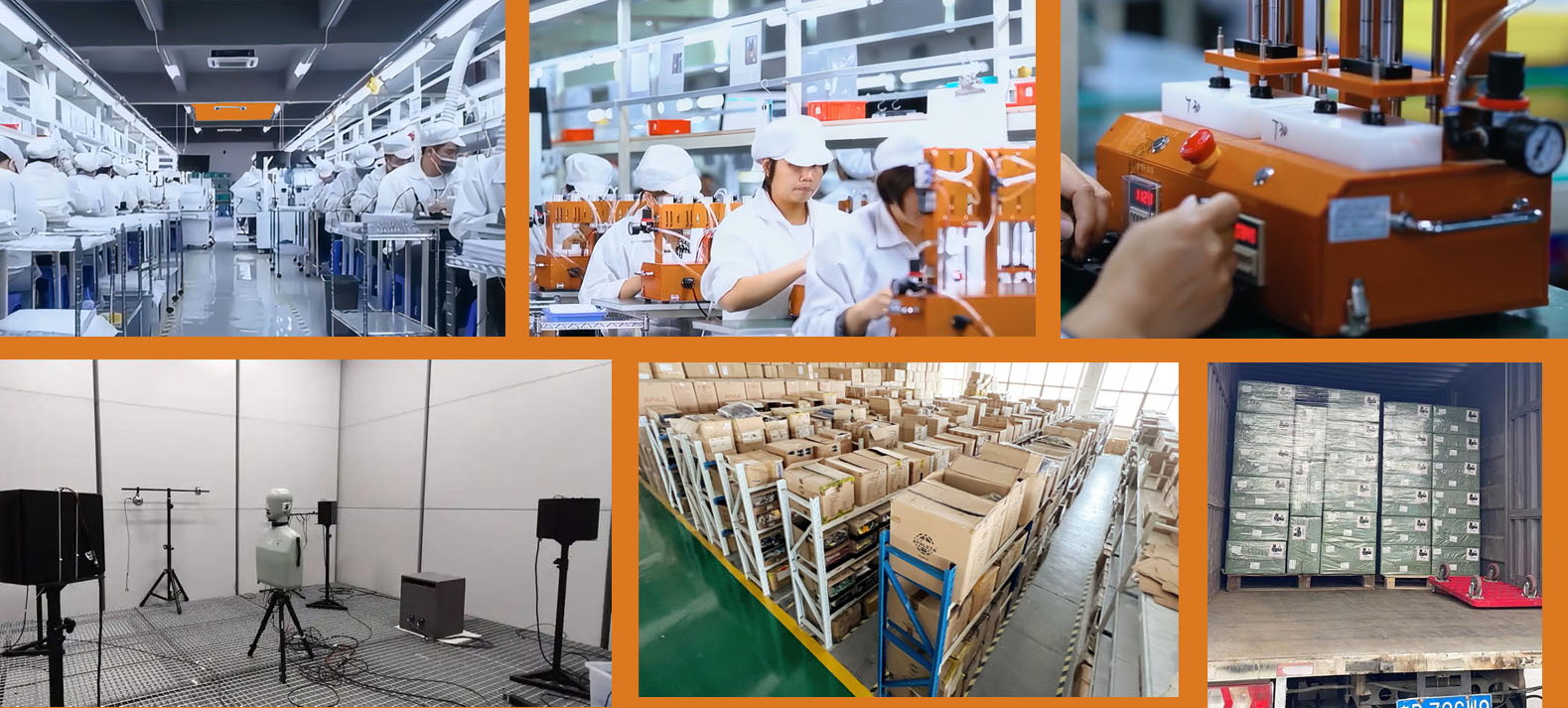
1. Product Design and Engineering
Every pair of TWS earbuds begins with product design. This stage involves both aesthetic and functional planning.
Engineers and designers work together to define:
- Earbud shape and ergonomics
- Internal component layout
- Battery capacity and charging case design
- Acoustic structure for sound quality
- Features such as ANC Earbuds (Active Noise Cancellation), ENC, or Bluetooth version
3D modeling software is used to create prototypes, and samples are produced using CNC machining or 3D printing. These prototypes are tested for comfort, durability, and performance before moving to mass production.
2. Component Sourcing
A TWS earbud consists of multiple small but critical components. Factories either produce some parts in-house or source them from specialized suppliers.
Key components include:
- Bluetooth chipset (e.g., Qualcomm, JL, BES)
- Speaker drivers
- Lithium batteries
- Microphones (for calls and noise cancellation)
- PCB (Printed Circuit Board)
- Plastic housing materials
- Charging case components
Quality of these components directly impacts the final product performance, so reliable supply chain management is crucial.
3. Injection Molding (Shell Production)
The outer shell of the earbuds and charging case is created through injection molding.
- Plastic pellets (usually ABS or PC materials) are melted and injected into precision molds.
- The molds determine the exact shape and finish of the earbuds.
- After cooling, the shells are removed and inspected for defects.
High-end factories use automated robotic arms to improve consistency and efficiency.
4. PCB Assembly (SMT Process)
The PCB is the “brain” of the earbuds. It controls Bluetooth connectivity, audio processing, and power management.
The SMT (Surface Mount Technology) process includes:
- Applying solder paste onto the PCB
- Placing tiny electronic components using high-speed machines
- Passing the board through a reflow oven to secure components
After SMT, the boards undergo testing to ensure proper functionality.
5. Acoustic Assembly
This is one of the most critical steps affecting sound quality.
During this stage:
- Speaker drivers are installed into the earbud housing
- Acoustic chambers are sealed
- Microphones are positioned accurately for voice pickup and noise reduction
Factories often use specialized acoustic testing equipment to ensure consistent sound performance across units.
6. Final Assembly
All components are brought together during final assembly.
Steps include:
- Installing the PCB into the earbud shell
- Connecting battery and speaker components
- Sealing the housing (via ultrasonic welding or glue)
- Assembling the charging case
This stage is often done on semi-automated assembly lines with skilled workers handling delicate operations.
7. Software Programming and Pairing
Once hardware assembly is complete, earbuds are programmed with firmware.
This includes:
- Bluetooth pairing setup
- Touch control configuration
- Noise cancellation tuning
- Battery management calibration
Earbuds are also paired with their charging case to ensure seamless connectivity.
8. Quality Control and Testing
Quality control is essential to ensure each product meets standards.
Factories perform multiple tests, such as:
- Audio quality testing
- Bluetooth range and stability testing
- Battery charging and lifespan testing
- Drop and durability tests
- Waterproof or sweat resistance testing (if applicable)
Only products that pass all tests proceed to packaging.
9. Branding and Packaging
For OEM and private label clients, branding is applied at this stage.
Options include:
- Logo printing on earbuds and charging case
- Custom packaging boxes
- User manuals and accessories (cable, ear tips, etc.)
Packaging is designed not only for protection but also for marketing appeal.
10. Warehousing and Shipping
Finished products are stored in warehouses before shipment.
Factories manage:
- Inventory control
- Export packaging
- Logistics coordination (air, sea, or courier shipping)
For international clients, proper documentation and certifications (CE, FCC, RoHS, etc.) are prepared.
Conclusion
Manufacturing TWS earbuds is a highly detailed and technical process that combines advanced machinery with skilled labor. From design and component sourcing to assembly and quality testing, every step plays a vital role in delivering a reliable and high-quality product.
For brands looking to enter the earbuds market, understanding how earbuds are made can help you choose the right manufacturing partner and ensure better product outcomes.
If you’re considering launching your own TWS earbuds brand, working with an experienced factory can make all the difference in quality, customization, and long-term success.